By Adeyinka Adeniran
A high-level joint delegation from Airtel Africa and UNICEF, working in close collaboration with federal and state government partners, has concluded a series of strategic field visits across Lagos and Abuja to assess, reinforce, and accelerate the transformative impact of their joint digital education initiative.
Led by Garreth Spillane, Foundation committee member and Chief of Staff to the Chairman of Airtel Africa, the visit provided delegates with direct insight into how the expanding partnership is revolutionizing classroom instruction, fostering digital literacy, and unlocking direct pathways to economic opportunities for young Nigerians.
The landmark alliance between Airtel Africa, UNICEF, and the Government of Nigeria has already achieved major operational milestones, successfully connecting nearly 2,000 schools across the country.
Through these concerted infrastructure and capacity-building efforts, the program has reached approximately one million students and more than 20,000 teachers, including over 19,000 educators who have undergone targeted training in foundational digital literacy to enhance modern classroom teaching.
Central to the success of this initiative is the removal of financial hurdles that often restrict access to online learning.
By zero-rating critical educational platforms—such as the Nigeria Learning Passport, the Federal Ministry of Education’s Inspire and Ignite portals, the Digital National Education Management Information System, and the Youth Agency Marketplace (YOMA)—the partnership has completely eliminated data-cost barriers for learners and educators nationwide.
This zero-rating strategy has yielded massive engagement, with the flagship Nigeria Learning Passport platform alone registering more than 2.5 million students and nearly 100,000 teachers to date.
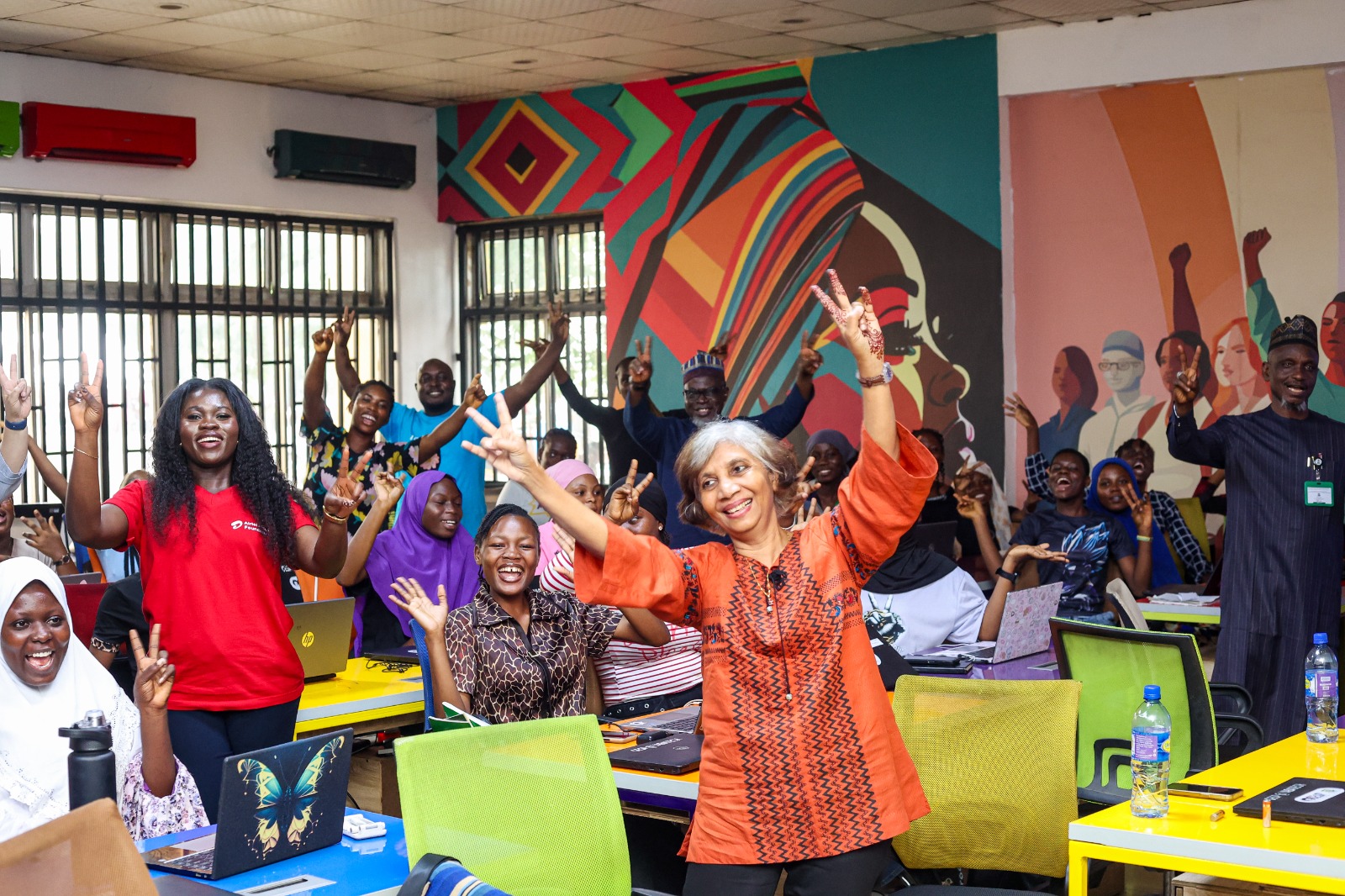
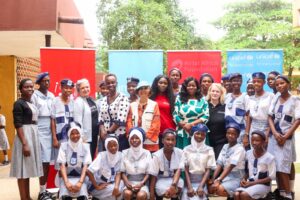
During their engagements in Lagos, delegates visited Government Senior College in Agege and St. George’s U.N.A. Primary School, where teachers and students actively demonstrated how everyday lessons incorporate artificial intelligence and digital courseware.
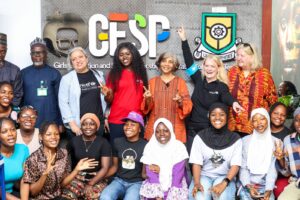
Moving beyond basic education into skills acquisition and workforce readiness, the delegation also visited Yaba College of Technology. There, young people highlighted how digital tools like Passport to Earning and YOMA build critical employability and entrepreneurship capabilities, providing seamless bridgeheads to professional mentorship, internships, and sustainable livelihoods.
Following the Lagos school assessments, the delegation traveled to Abuja for high-level consultative meetings with representatives from the Office of the Vice President and the Federal Ministry of Education. The strategic discussions focused on deepening institutional cooperation to advance reliable internet connectivity, scale up quality digital content, strengthen teacher capacity, implement inclusive design for vulnerable learners, improve national data systems, enforce child online safety standards, and establish sustainable financing models for long-term educational impact.
Harping on the critical importance of equitable digital expansion, Rownak Khan, UNICEF Deputy Representative in Nigeria, highlighted the human impact of the collaboration, saying: “access to free Digital learning not only bridge the digital divide but also brings children and young people closer to the knowledge, skills and opportunities they need to shape their and country’s future.
“Our partnership with Airtel and the Government of Nigeria is supporting teachers and creating pathways from learning to earning. Girls, children with disabilities and those in underserved communities must be among the first to benefit.”
Reflecting on the progress observed on the ground and the broader vision for continental connectivity, Garreth Spillane, Chief of Staff to the Chairman of Airtel Africa, emphasized the role of infrastructure in driving real educational outcomes:
“Connectivity brings transformative opportunities when it helps students access quality digital learning and enables teachers to use digital tools effectively, as we’ve seen demonstrated so ably here in Nigeria. Working with UNICEF and governments, we will continue to connect schools, remove data-cost barriers through zero-rated learning platforms and support teachers across the continent.”
Reaffirming the commitment of the Nigerian government to educational modernization and broad-based access, Prof. Suwaiba Sa’idu Ahmad, Minister of State for Education, stressed the necessity of aligned multi-stakeholder efforts:
“Transforming education in Nigeria requires strong partnerships aligned with government priorities and learners’ needs. We must strengthen teachers’ capacity, expand access to quality digital content, protect children online and ensure digital learning reaches every child, wherever they live.”
The achievements recorded in Nigeria reflect a crucial component of a larger multi-year commitment. Across 13 African countries, the five-year Airtel Africa–UNICEF partnership has already connected more than 3,000 schools, zero-rated over 60 dedicated learning platforms, and expanded educational opportunities to more than 2.5 million children across the continent.