
By Adeyinka Adeniran
Nigeria’s strategic presentation at the Global Partnership for Education summit at the 81st United Nations General Assembly has demonstrated that diplomatic impact should be measured by outcomes rather than physical optics, despite the absence of President Bola Tinubu from the high-level week in New York.
This was the position advanced by a retired Senior Director of the Federal Ministry of Foreign Affairs and author of the 7-Star Diplomat, Ambassador Bolaji Akinremi, in an assessment of Nigeria’s participation at UNGA 81.
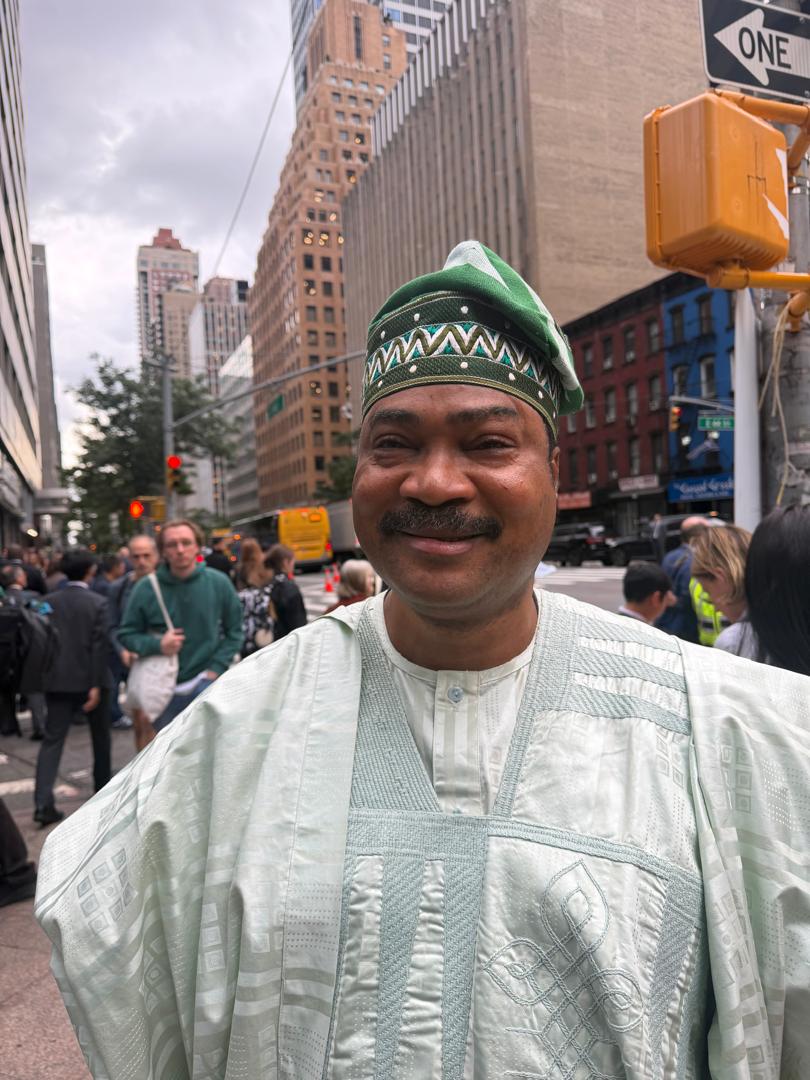
Ambassador Akinremi noted that while public discourse has focused on President Tinubu’s decision not to attend the General Debate scheduled for September 22 to 28, 2026, the more substantive question is what national objectives were set and what was delivered.
According to him, President Tinubu was not absent from Nigeria’s core agenda at the Assembly, as he participated virtually at the high-level Global Partnership for Education event co-hosted by Nigeria and Italy on September 23.
The Nation reports that, the President delivered a video message in support of the campaign to mobilize US$5 billion for global education financing, while Vice President Kashim Shettima represented him physically at the event.
The author stressed that the GPE event was not a routine side meeting but a major platform that placed Nigeria at the centre of global discourse on financing education, human capital development and inclusion for children in developing and vulnerable circumstances.
The summit, according to him, brought together senior international leaders including United Nations Deputy Secretary-General Amina Mohammed, GPE Board Chair, Jakaya Kikwete and education advocate Malala Yousafzai, and drew significant commitments, including a €50 million pledge announced by the Italian government.
He recalled that, Vice President Shettima, presenting Nigeria’s position, framed education financing as an investment in economic productivity, prosperity and national stability, and emphasized that international support should complement domestic investment.
He cited ongoing domestic initiatives such as the Nigerian Education Loan Fund and Nigeria’s collaboration with the World Bank and the GPE through the HOPE-EDU programme, which is expected to reach about 29 million children and 500,000 teachers.
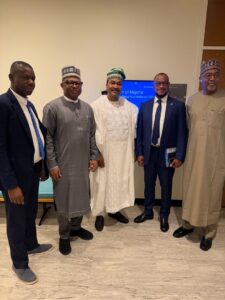
Akinremi argued that Nigeria’s strength at UNGA 81 lay in the coordinated deployment of its delegation, which included Vice President Shettima, Minister of Foreign Affairs, Ambassador Bianca Ojukwu, Minister of Education, Dr Tunji Alausa, subnational leadership and Nigeria’s Permanent Mission to the United Nations.
He credited the Ministry of Foreign Affairs and the Permanent Mission for the preparation and diplomatic coordination that enabled Nigeria to co-host and effectively participate in the high-level programme.
He further noted that Vice President Shettima’s broader engagements during the week, including bilateral meetings, multilateral discussions and interaction with Nigerians in the diaspora at Nigeria House, added value to the representation and should not be diminished because the President was not physically present.
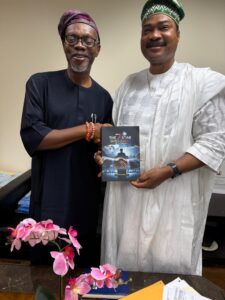
While acknowledging that a presidential presence at the United Nations carries symbolic weight and enhances visibility, Ambassador Akinremi said the UN framework itself recognizes that the General Debate is addressed by Heads of State and Government and other high-level representatives, and that sovereign states determine how best to deploy their leadership.
He cited the example of Singapore, which has historically not required its Prime Minister to be present at every high-level week.
The diplomat concluded that the real test for Nigeria now is delivery, urging the government to follow through on GPE partnerships, translate international commitments into tangible benefits for Nigerian children and teachers, strengthen the Nigeria-Italy partnership on teacher development, skills and technology, sustain engagement with donors, development banks and the private sector, and ensure that domestic commitments remain the anchor.