
*Inaugurates 40members committee, says celebration is about identity, future, not just memory
By Adeyinka Adeniran
The Alaafin of Oyo, Oba Abimbola Owoade
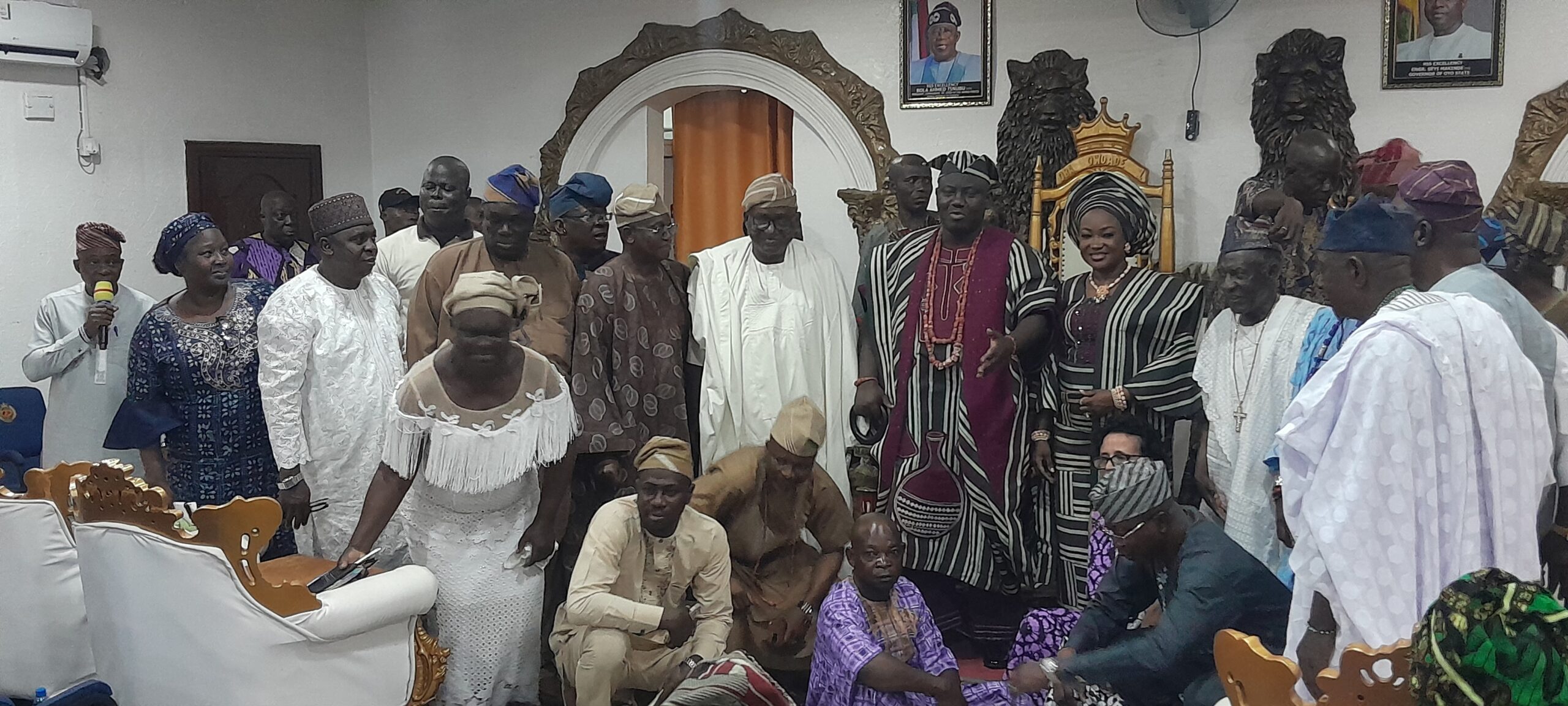
on Tuesday inaugurated the Central Working Committee for the Oyo Empire Day celebration, noting that the new annual event is intended to reconnect Yoruba people to a civilization whose institutions still offer lessons for governance and development today.
Speaking at the inauguration of a 40man committee for the celebration, the Alaafin said Oyo Empire occupies a unique and distinguished place in the history of Yorubaland, West Africa and indeed the wider African continent.
He described it as an empire renowned for its sophisticated political institutions, military organization, diplomacy, commerce, intellectual traditions and rich cultural heritage.
He stressed that the celebration was being conceived beyond pageantry, saying, “the Oyo Empire Day Celebration is therefore not merely a festival. It is a deliberate effort to preserve, document, promote and transmit our heritage to present and future generations.
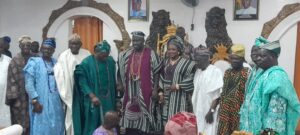
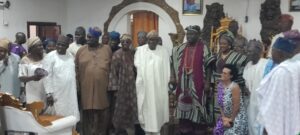
The inauguration ceremony was attended by members who included: traditional rulers, scholars and guests from within and outside of the country.
The theme for the maiden edition, “Celebrating Our Heritage, Preserving Our Legacy, Building Our Future,” according to the Alaafin, captures the three-fold purpose of the initiative.
To celebrate, he said, is to go beyond recounting stories and to understand the values, institutions and achievements that made the Oyo civilisation remarkable.
To preserve, he warned, is a necessity because “people who lose their history gradually lose an important part of their identity.” And to build, he added, requires seeing history as a living resource: “History should not become a museum of memories. It should become a foundation upon which future generations can build.”
The Alaafin explained that the empire’s footprints extend far beyond the palace in Oyo Atiba, and that is why the celebration is designed to be inclusive.
He listed communities across Kwara, Osun, Oyo, Ogun and Ondo states, as well as Oyo-linked settlements in the Republic of Benin, as part of the shared heritage the day seeks to honor.
“The objective is to reconnect these communities, celebrate our shared heritage, strengthen historical consciousness, and foster enduring bonds among people connected to the Oyo Empire legacy, regardless of present-day political or administrative boundaries.
“Our objective is not to diminish the history of others, but to properly document and celebrate our own.”
He said the forthcoming programmes — including a heritage opening ceremony, book presentation, cultural exhibitions, an Oyo Empire colloquium and tourism activities — are meant to create what he called “an enduring platform for historical research, cultural preservation, tourism development, economic opportunities, youth engagement and international partnerships.”
Addressing the newly inaugurated committee, the Alaafin urged members to work with “commitment, integrity, humility and a strong sense of duty,” noting that the diversity of the group was deliberate and that the project “cannot rest on the shoulders of the Palace alone. It must be a collective undertaking.”
He also called on scholars to ensure the history is “properly researched, documented and presented with accuracy and intellectual integrity,”
He told young people that “Oyo Empire’s history is your inheritance. Learn it, question it, preserve it and use its lessons to shape a better future,” while also inviting the diaspora and corporate partners to contribute intellectually, financially and culturally.
The monarch said the ambition goes beyond 2026. The committee, he charged, should “think beyond the 2026 celebration” and work toward establishing an annual institution “that will continue to grow in stature, credibility and international relevance.”
“Let this year’s celebration therefore be the beginning, not the conclusion, of a much larger cultural and intellectual movement,” he said, before formally inaugurating the committee.
“May your deliberations be fruitful. May your efforts bring honour to our ancestors. May this initiative strengthen the bonds among the Oyos. And may the enduring legacy of the Oyo Empire continue to inspire generations who are yet unborn”, the monarch prayed.
Reacting shortly after the inauguration, Chairman of the CWC, Dr. Adekunle Ogunmola said history of Yorubaland is incomplete without Oyo empire, saying the celebration is not just a celebration but annual heritage platform which combine celebration with heritage.
He said the Committee will ensure that the celebration will be worthy of dignity and heritage in Yorubaland, urging all Yorubas home and abroad to set aside their differences and unite so as to make the occasion memorable.
Giving an highlight of the proposed event slated for December 17-19, 2026,the Vice Chairman of the CWC, Professor Soji Adejumo explained that the events will be both entertaining and scholarly.
He assures that the event will attract both local and international participants who will storm the ancient city.
The Central Working Committee for Oyo Empire day celebration include Dr. Adekunle Ogunmola — Chairman, Prof. Soji Adejumo — Vice Chairman, Archbishop Ayo Ladigbolu, Engr. A. K. Amodu, Chief Banji Ojo, Prof. Kouchade Clement — Hon. Minister of Secondary Education, Republic of Benin, Professor Abiola Adebayo —Former Vice-Premier Minister Professor Abiola Adebayo, Republic of Benin, Chief Bisi Ilaka, Senator Yunus Akintunde, Hon. Prince Akeem Adeyemi, Chief Gani Kayode Balogun — Otun Akogun of Ibadan
Others include Chief Kamarudeen Osungbekun — Chairman, Ibadan Ancient Warlords, Ambassador Tunde Mustapha, Dr. Azeez Adeduntan, Dr. Adesola Kazeem Adeduntan, Prof. Moshood Lanrewaju Nassir, Prof. Seun Kolade, Professor Kola Abimbola, Dr. Paula Gomez, Dr. Haadi Babatunde Asiyanbi, Dr. Bola Oyedepo, Dr. Wole Akanni Duro-Ladipo, Rev. Dr. Dele Kolade, Prince Adebayo Sheriff Onisile, Oba Kifuli Adepadabowale Onilaso, Onilaso of Ilaso — Coordinator, Yoruba Obas in Adja-Ouèrè, Ifangni, Kétou, Pobè and Sakété, Republic of Benin, Aare Laji Abass, and Mogaji Gboyega Adejumo
The Committee also include Mogaji Moshood Akere, Mr. Ademola Adeniyi (Kukulaja), Hon. Prince Aderemi Paul Afolabi, Mr. Dayo Alagbe, Bioye Adewumi, Lasun Oguntade, Mr. Segun Oke, Mr Olarenwaju Fagbodun, Hon Rauf Salawu — Apase Ipobe, Benin Republic and Prince Dapo Olakulehin — Secretary