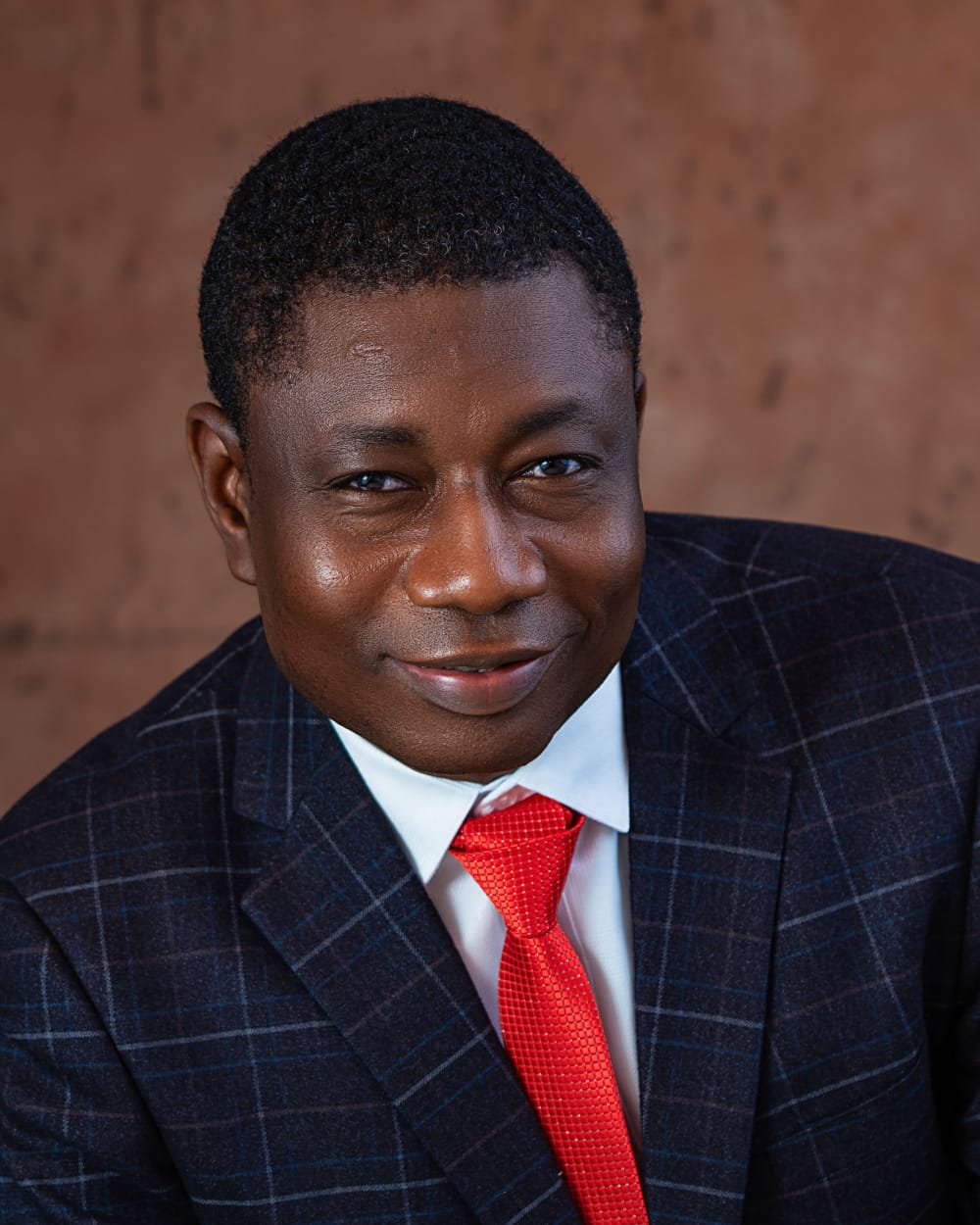

By Oluwole Dada
Anyone with leadership experience will tell you that leading people is one of the most demanding positions one can be. People will disappoint and betray you. Processes will break down. Results will sometimes be elusive, and in the middle of all of that, you are expected to remain in control, keep your team motivated, and still deliver.
Two qualities, tolerance and toughness, will determine whether you are able to keep your head above the water. At first glance, they may appear to be opposites, but they are not. In the hands of a great leader, they work together in a similar way a surgeon uses both a steady hand and a sharp blade.
Tolerance is a deliberate, disciplined choice to give the people you lead the time and space they need to grow into the expectations you have set for them. Tolerance is not weakness. It is demonstrated by patience and understanding. Leaders who want to succeed need to exhibit tolerance with their team members. It is a virtue that enables a leader to bring the best out of his team members.
A leader who isn’t tolerant will rush to make decisions without having the whole perspective of events and issues. Your team members are not likely to meet your expectations in the first instance. You will need tolerance to make them optimize their potential.
One of the most compelling demonstrations of tolerance as a leadership tool in recent corporate history is the story of Satya Nadella and his transformation of Microsoft. When Nadella took over as CEO in 2014, Microsoft was widely regarded as a company in decline. It was bloated, politically toxic internally, and dangerously behind in the shift to cloud computing.
The culture under the previous leadership of Steve Ballmer had become one of intense internal competition, where employees were ranked against each other in a system that rewarded individual performance at the expense of collaboration. Satya came in listening and was patient with the cultural transition. He empathized openly and publicly with his team’s struggles.
For the head of department or line manager reading this, the lesson is transferable. Your team needs a leader who believes in their potential enough to invest in it.
Tolerance is that investment. Tolerance is opening your mind to opposing views. Alan Mulally’s arrival at Ford in 2006 is instructive here. Ford was losing money, and its leadership culture was deeply siloed. Mulally changed that by creating a culture where honesty was safe, and where divergent perspectives were welcomed rather than suppressed.
The accommodation of opposing views is widely credited as one of the key factors in Ford’s remarkable turnaround. Ford was the only major American automaker to survive the 2008 financial crisis without a government bailout.
Now to the other quality of toughness. Toughness is the demonstration of courage, strength, and grit in the face of adversity. It is the willingness to make the hard decision when it is the right way to go and to own that decision, even when it is unpopular.
However, toughness is not being unkind. Toughness is not being cruel. Toughness is not the display of power over the people you lead. It is not harshness. It is not stubbornness. It is not raising your voice and belittling a team member in a meeting. Rather, it is looking at a difficult situation squarely in the face and refusing to flinch.
In the process of being tough, leaders must remain authentic, empathetic, and committed to the welfare of the team they lead. A perfect illustration of this balance is found in how Airbnb CEO Brian Chesky handled the layoffs during the COVID-19 pandemic. He had to be tough as the business had lost 80% of its revenue. He had to let go of 1,900 employees to save the company. That is a gut-wrenching, tough decision but he executed it with profound empathy.
He allowed leaving staff to keep their laptops, provided 12 months of health insurance, and pivoted his recruiting team to help those leaving find new jobs. He was tough on the problem but soft on the people.
Toughness without tyranny is what makes toughness sustainable in leadership. Toughness must be accompanied by genuine effort to bring the people along with you. When tough decisions must be made, a great leader does not simply announce the verdict and expect compliance. They take the time to explain the why. This is to help the team understand what is at stake and why a difficult path is the necessary one. This is not weakness. This is wisdom.
Jack Welch, the legendary CEO of General Electric, was one of the most famously tough leaders in modern corporate history. His decisions were bold and often painful. Many people use Welch as an example of toughness, and in the narrow sense they are right. But what is less often discussed is the framework he built around his decisions.
In the end, leadership is not a choice between being liked and being respected. It is the hard, daily work of earning both through the tolerance that listens and the toughness that acts. You need the soft heart to understand your people and the strong backbone to guide them through the storm. Master this balance, and you won’t just manage a team; you will build a legacy that lasts.
Oluwole Dada is the General Manager at SecureID Limited, Africa’s largest smart card manufacturing plant in Lagos, Nigeria.