
By Adeyinka Adeniran
The Provost, Ibadan North Anglican Diocesan, Very Rev’d Samuel Kayode Olawoyin had called on media practitioners to view their profession as a ministry and use their platforms to spread the gospel, focusing on Jesus Christ and His attributes.
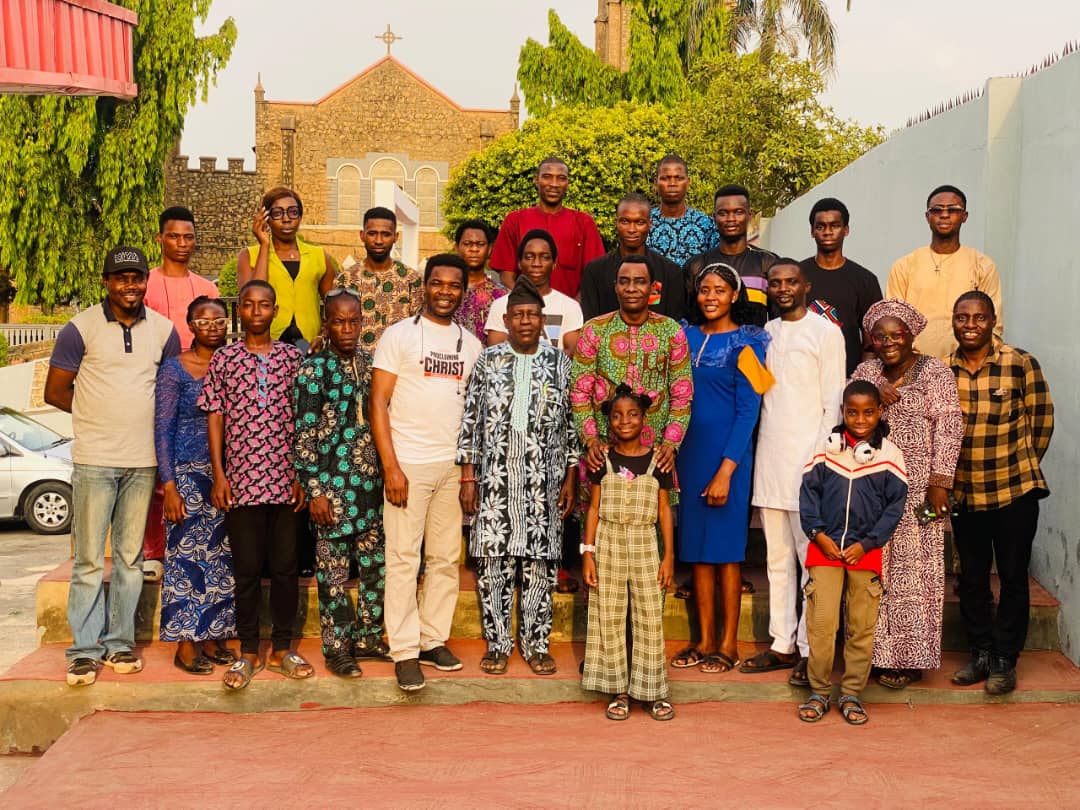
He gave the charge while speaking at a media get-together organised for the media team of the Diocese, held at the Cathedral Chapter House at the Cathedral of St. Peters, Aremo, Ibadan at the weekend.
Speaking on, “Media as a tool for evangelism and church growth”, Olawoyin urged members of the media to prioritize developmental journalism, avoid fake news, blackmail, and destructive reporting.
Instead, he said, the media must be used to promote positive change, noting that their engagement is not for personal enrichment but a call to serve in God’s vineyard.
Speaking earlier, the Diocesan Communicator, Chief Solomon Ayoade thanked the Archbishop of Ibadan Ecclesiastical Province and Bishop of Ibadan North Anglican Diocese, Most Rev’d Williams Aladekugbe, for his support and encouragement.
He appealed for more support from the Diocese, Archdeaconries, societies, and individuals to take the Ibadan North Anglican Diocesan Media to greater heights.
Speaking during a training session on “Social Media Ethics and Content Strategy,” Mr Yinka Adeniran described social media as a delicate and dangerous tool created by humans.
He cautioned media practitioners against spreading misinformation and fake news, calling on authorities and law enforcement to regulate untrained media professionals.
He noted that, in today’s digital age, social media is an essential tool for reaching people and building community.
He said, “However, with great power comes great responsibility. That’s why it’s essential to understand social media ethics and develop a content strategy that reflects the church’s values and mission.
“Social media ethics refers to the principles and guidelines that govern our behavior online. As Christians, we are called to be salt and light in the world (Matthew 5:13-16). This means being mindful of our online presence and ensuring that our words and actions reflect the values of the kingdom of God.”
He gave some key principles of social media ethics include: Authenticity and transparency; Respect and kindness; Confidentiality and privacy; Accuracy and truthfulness; Avoiding harm or offense
He added that, Christians are called to love their neighbors as themselves (Mark 12:31) which includes treating others with respect and kindness online, hence the need to strive to create a safe and welcoming online environment for everyone.
Speaking on Content strategy, the guest lecturer defined content strategy as a plan for creating and sharing content that aligns with the church’s mission and values.
He explained that a good content strategy should: know the audience and tailor content to them; define the church’s brand voice and tone; create engaging and relevant content; use visuals and multimedia content effectively as we as measure and evaluate content performance
He also harped on the need to understanding the audience in creating effective content.
“We should know who our target audience is, what their needs and interests are, and what type of content they engage with. By understanding our audience, we can create content that speaks to them and meets their needs.
“As church media units, we should define a brand voice that is consistent with the church’s values and mission. Our brand voice should be clear, concise, and engaging, and should reflect the personality of the church.
“To create engaging content, we must understand that engaging content is content that resonates with our audience and encourages them to interact with us. We should strive to create content that is relevant, informative, and entertaining.
“Some types of content that may be effective for church media units include: inspirational messages; community news and events; testimonies and stories; bible studies and devotionals
“Measuring and evaluating performance is crucial to understanding the effectiveness of our content strategy. We should track metrics such as engagement rates, follower growth, and website traffic. By evaluating our performance, we can identify areas for improvement and adjust our content strategy accordingly.
“For best practices for our church social media, we must: post regularly and consistently; engage with followers and respond to comments; use hashtags and tag relevant accounts; share user-generated content; monitor and address criticism or negative feedback.”
In conclusion, he said social media ethics and content strategy are essential for church media units, pointing out that, by understanding social media ethics and developing a content strategy that reflects the church’s values and mission, the Church can create a positive and engaging online presence.
He urged the team to strive to be good stewards of the church’s online presence and to use social media to spread the message of Jesus Christ.