By Adeyinka Adeniran
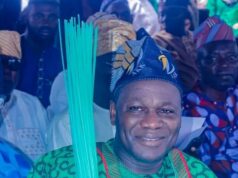
A security expert, Dr Abayomi Mumuni has come out in strong defense of President Bola Tinubu’s recent decision to grant presidential pardons to some convicted Nigerians, a move that has sparked widespread criticism and debate across the country.
The pardons, which have generated public outrage particularly over the inclusion of individuals convicted of serious crimes such as homicide, have been described by many Nigerians as unjust and demoralizing.
Critics argue that the move undermines the justice system and sends a dangerous message that “anyone can commit a crime and later walk free.”
However, Mumuni, in a statement issued on Tuesday, urged Nigerians to look beyond sentiments and examine the broader context and purpose of presidential pardons. He emphasized that such decisions are not unique to Nigeria but are part of established democratic practices around the world.
According to the All Progressives Congress (APC) chieftain, a presidential pardon is “a legal forgiveness for an offense” and a constitutional power vested in the president to promote justice, compassion, and rehabilitation, not an act of impunity.
He said, “A presidential pardon removes the penalties associated with an offense. It often recognizes factors such as remorse, rehabilitation, and the potential for reintegration into society. The president’s intention, therefore, is to balance justice with mercy, and not to trivialize crime or victims’ suffering.”
Speaking further, the APC stalwart listed several factors that could have informed President Tinubu’s decision. These include rehabilitation and reintegration of reformed inmates, overcrowding in Nigerian prisons, and the principles of restorative justice that emphasize forgiveness and social healing over perpetual punishment.
“Many inmates have shown significant progress in their rehabilitation efforts. Granting them a second chance through pardon allows them to return to society as productive citizens. Nigeria’s prisons are overcrowded, and this measure helps relieve pressure on the system while promoting humane correctional practices,” he explained.
The security expert also highlighted the economic and social implications of prolonged imprisonment, especially for non-violent offenders. “Some prisoners’ continued incarceration affects families and communities economically. Pardons can help restore family bonds and reduce the socioeconomic strain on dependents,” he added.
Addressing growing skepticism about the process, Mumuni acknowledged that concerns about transparency, fairness, and public safety are legitimate. He urged the federal government to communicate clearly about the criteria used in selecting beneficiaries and to establish robust reintegration and monitoring mechanisms for those released.
He stated that “The government must ensure that pardons are granted fairly and transparently,” he said. “Public trust will only be strengthened when people see that decisions are based on justice and merit, not political or personal influence.”
While reaffirming his support for the president’s decision, Mumuni cautioned against a selective understanding of justice, drawing attention to similar debates around “repentant terrorists” who have been reintegrated into communities after undergoing deradicalization.
“We cannot celebrate deradicalized terrorists being reabsorbed into society and then reject the idea of pardoning reformed citizens,” he argued. “If we truly believe in rehabilitation and national healing, we must be consistent”, he added.
He concluded by calling for balanced, informed discourse rather than emotional reactions, stressing that the goal of a functioning justice system should include reform, reintegration, and redemption, not just punishment.
“It’s natural for citizens to question these decisions, but we must also strive to understand them. True justice combines accountability with mercy and that is the spirit behind the President’s action”, he concluded.