By Adeyinka Adeniran
Health stakeholders and advocates have sounded the alarm on Nigeria’s worsening blood shortage crisis, warning that the country will continue to record avoidable deaths unless urgent action is taken to address the systemic failures undermining the nation’s blood supply.
According to a blood advocate and clinical researcher, Sijibomi Oladeji, Nigeria needs at least 1.8 million units of blood annually to meet national demand, but voluntary donations remain far below national needs.
He said the crisis is further hightened by misinformation, religious myths, and systemic exploitation.
Oladeji noted that many Nigerians refuse to donate blood due to misconceptions, with some believing it weakens the body, while others are prohibited from doing so by their religious sects.
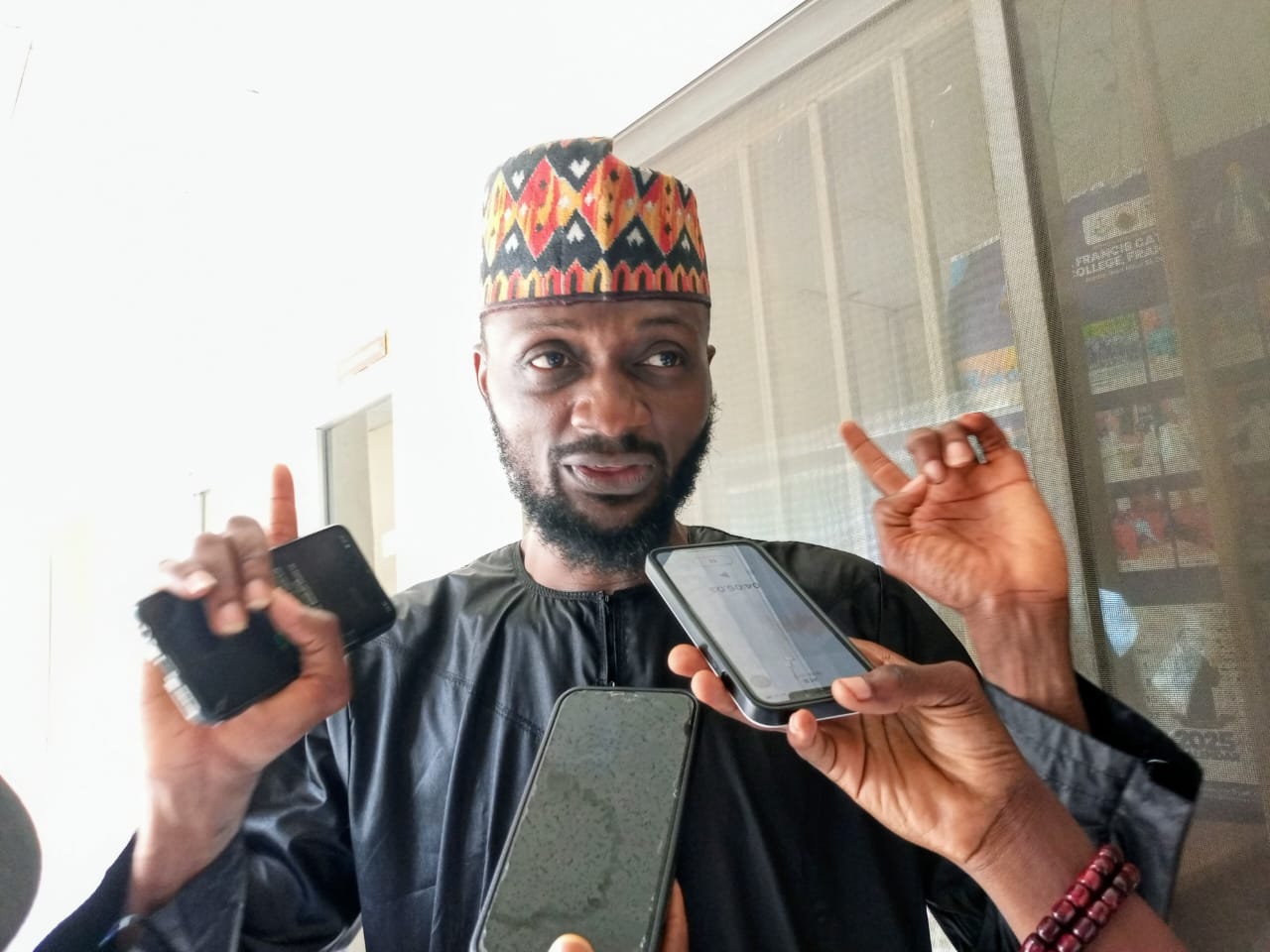
Speaking during the unveiling of his book titled “Red Gold”, held at the National Blood Service Commission (NBSC) Southwest Zonal Office in Ibadan, he lamented that the country continues to fall dangerously short of blood while raising fresh concerns over Nigeria’s worsening blood shortage crisis.
The event which brought together medical experts, public health advocates, policymakers and donors for a conversation on Nigeria’s fragile blood supply system and hosted by The Red Gold Project Team in partnership with the NBSC, featured a public reading, a panel session, and an on-site donation opportunity.

Oladeji, in his keynote remarks, said his motivation for writing the book came from witnessing countless avoidable deaths caused by the country’s chronic blood shortages. He said the situation persists largely because the public remains unaware of the essential role of safe blood in emergency care.
He said, “People don’t realise how precious blood is until they get to the hospital and find none. Blood is our red gold, valuable, scarce, and life-saving. Nigeria’s real problem is not the absence of blood, but the absence of awareness.”
He described blood as “the crude oil of the nation’s health sector”, noting that the public only realises its value at the point of medical emergency.
“People don’t know blood is life until they are in the hospital and can’t find it. Blood is our red gold. Just like actual gold, it is precious, scarce, and must be refined before it can save anyone,” Oladeji said.
The shortage, he warned, fuels Nigeria’s staggering maternal mortality rate and leaves emergency wards constantly battling avoidable deaths, adding that the real challenge is not availability but lack of sensitisation, worsened by misinformation rooted in cultural myths, religious prohibitions, and fear.
“Many people refuse to donate because of myths, some religious sects openly preach against donation, others still believe giving blood weakens the body. These mindsets are killing us.”
Oladeji further criticised Nigerian’s emergency-dependent donation culture, where families scramble for donors only after a crisis strikes, saying “In other countries, blood waits for people. In Nigeria, people wait for blood and often die waiting.”
He urged the country to move beyond its once-a-year focus on June 14, World Blood Donor Day, and adopt a 24/7 national sensitisation strategy that treats blood donation as a civic duty.
He also acknowledged efforts by the President Bola Tinubu administration, the NBSC’s Director-General, and the new national task force on blood regulation but insisted that hospitals must cooperate more fully and citizens must step up.
In his remarks, NBSC Southwest Zonal Director, Dr. Oladapo Aworanti gave an assessment of the crisis, saying systemic sabotage and profiteering are sabotaging federal interventions.
He revealed that some individuals remove subsidised blood from government facilities only to resell it at up to N50,000 per unit in private hospitals.
He said, “Government invests heavily to make safe blood available, but some people exploit the system. They take units out of our facilities and sell them. This defeats the purpose of public subsidy.”
He added that some personnel in blood banks collaborate with private hospitals to create scarcity and demand for higher prices.
Aworanti stressed that no amount of technological advancement in blood banks will make a difference without enough voluntary donors. He noted that the Ibadan centre recently received a new state-of-the-art testing machine, one of only three in the country but its impact will be limited if citizens remain reluctant.
The NBSC director said religious institutions hold the most influence in shaping public perception and must be central to nationwide sensitisation.
“If you go to some places of worship, they do not allow discussions about blood donation. People listen to their priests and imams. Their support is critical. Schools can only reach a fraction, but religious houses reach millions.”
The event, which was hosted by The Red Gold Project Team in partnership with the NBSC, featured a public reading, a panel session, and an on-site donation opportunity.
Speakers and experts who participated in the panel session urge the government to adopt a year-round sensitization strategy to promote blood donation as a civic duty, rather than limiting awareness efforts to World Blood Donor Day. They also call on religious institutions to play a critical role in shaping public perception and promoting blood donation.