
By Adeyinka Adeniran
As geopolitical tensions, escalating tariffs, and volatile commodity markets continues globally, experts have warned that Nigeria must move beyond defensive posturing and tackle deep-seated domestic structural vulnerabilities to protect its citizens from compounding economic shocks.
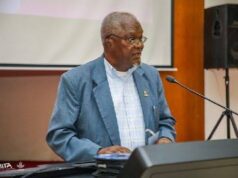
The Acting Head of the Department of Economics, KolaDaisi University, Ibadan, Dr Oluwatoyese Oyetade made the call while presenting what she described as a development paper at the 5th Edition of the Journalist Olawale Ogunbusola school competition, public lectures and awards, held at the National Museum of Unity, Aleshinloye, Ibadan.
Presenting the paper entitled: “Global War on the Nigerian economy: Adjustment in a time like this”, Dr Oyetade said while external pressures such as armed conflicts, supply-chain fragmentation, and high global interest rates severely impact the country, Nigeria’s economic woes are heavily affected by internal structural weaknesses.
Analysing the current economic climate, the university Don noted that external headwinds are aggressively transmitted through the high costs of fuel, food, fertilizer, freight, and foreign exchange.
However, She cautioned against viewing Nigeria merely as a passive victim of a hostile international financial system, saying, “External shocks become unusually damaging because they interact with domestic vulnerabilities: dependence on crude-oil receipts, a narrow export base, import dependence for fuel, food, machinery and industrial inputs, weak power and transport systems, insecurity in farming areas, low revenue mobilization, shallow social protection and limited policy credibility,” Dr. Oyetade stated in the report.
The paper highlights a critical paradox facing the nation saying, “while recent stabilization reforms such as foreign exchange market unification and public revenue adjustments helped push estimated real GDP growth to 4.0 per cent in 2025 with a projected 4.1 per cent for 2026, ordinary citizens still continue to bear the heavy brunt of high inflation, food insecurity, and poverty” due to certain internal weaknesses.
According to recent figures, inflation climbed to 15.4 per cent year-on-year in March 2026 as global fuel and food prices filtered into the domestic market.
Speaking on the path forward from a national interest perspective, the Acting HOD emphasized that true economic adjustment cannot be reduced to blind austerity or emergency import controls.
“Instead, it demands a synchronized framework that couples macroeconomic credibility with aggressive social protection, agricultural security, reliable power supply, and export diversification.
“Adjustment must be both stabilizing and developmental: Nigeria should absorb short-run shocks without sacrificing the productive transformation required to reduce its future exposure,” the paper asserted.
She further urged the federal and subnational governments to prioritize targeted social safety nets for the poorest households, establish secure agricultural logistics corridors to crash food inflation, maintain a flexible yet orderly exchange rate, and channel temporary commodity windfalls into sovereign savings and infrastructural development rather than recurrent consumption.
Other stakeholders who spoke at the event agreed that for Nigeria to weather current and future global storms, policy implementation must move faster by ensuring that macroeconomic gains translate into tangible improvements in the living standards of everyday citizens.
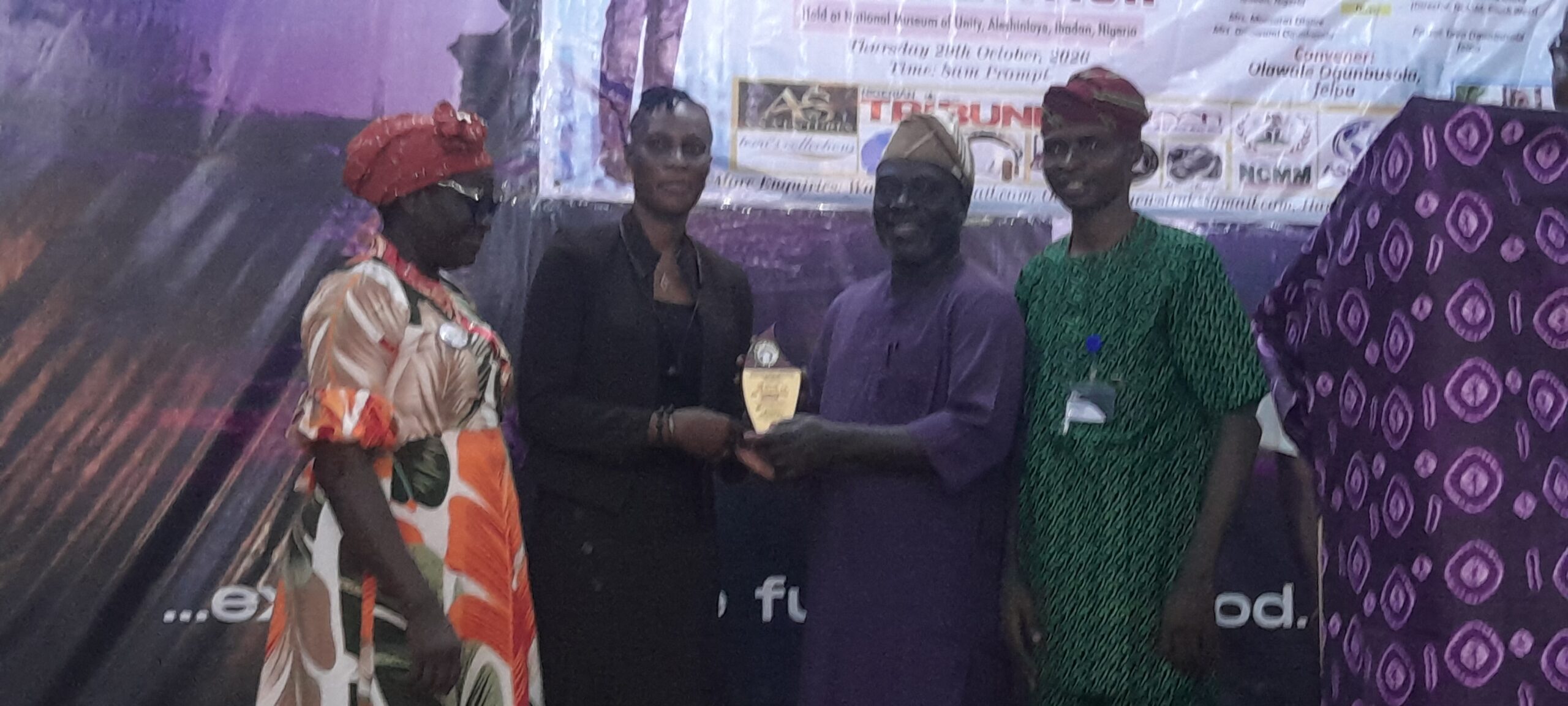
Highpoint of the event was the presentation of awards to deserving schools and individuals for their exemplary roles in their various fields of endeavours.